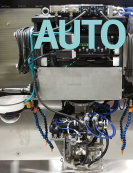
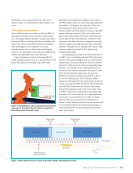
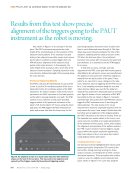
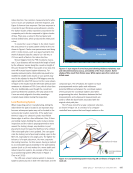
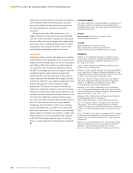
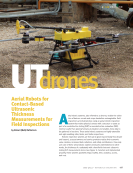
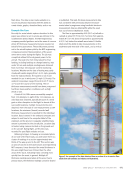
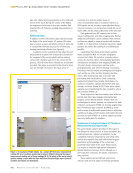
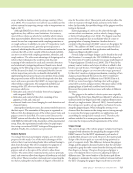
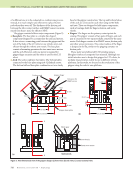
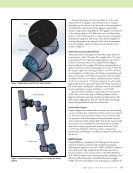
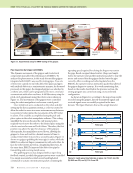
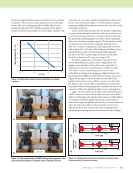
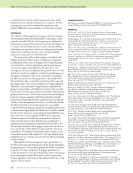
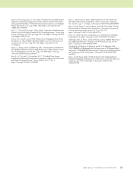
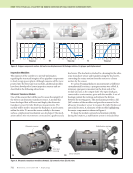
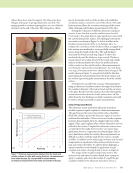
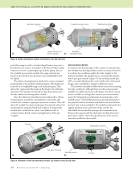
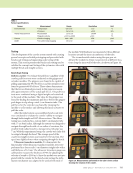
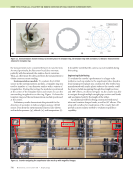
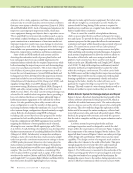
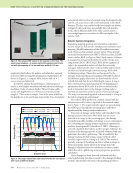
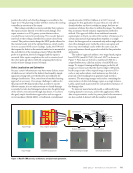
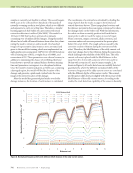
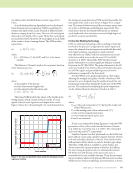
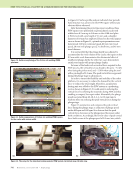
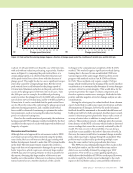
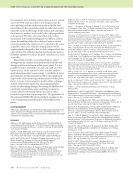
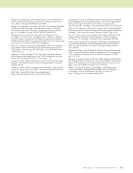
A erial robotic systems, also referred to as drones, enable the collec- tion of data on a scale and scope heretofore unimaginable. Field inspections at industrial sites using an aerial robotic inspection system that makes physical contact with a structure or asset as part of a nondestructive testing (NDT) or nondestructive evaluation (NDE) routine is safer than placing humans at elevation and enables more data to be gathered in less time. These aerial robotic systems are highly extensible and agile enabling safer, faster, and better inspections. Robotic inspection systems are forecast to grow exponentially this decade and beyond, as asset owners and service providers realize their economic value creation, increased data collection, and safety contributions. One early use case of these aerial robotic systems measures wall thickness (in other words, the thickness of a substrate) with a handheld electronic ultrasonic testing (UT) measurement device (see Figure 1). Selected and implemented properly, these systems positively impact safety, time, analytics, access, and cost. Aerial Robots for Contact-Based Ultrasonic Thickness Measurements for Field Inspections by Robert (Bob) Dahlstrom UTdrones J U L Y 2 0 2 1 • M A T E R I A L S E V A L U A T I O N 687 w ME FEATURE

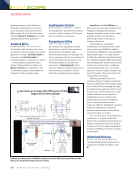
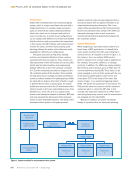
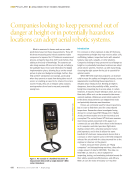
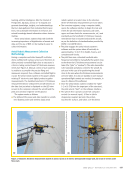
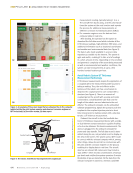
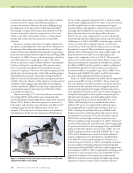
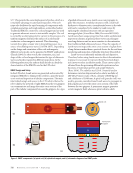
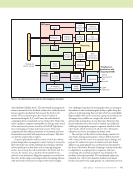
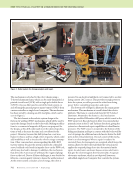
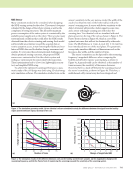
688 M A T E R I A L S E V A L U A T I O N • J U L Y 2 0 2 1 What is measured is known and we can make predictions based on these measurements. These UT thickness measuring aerial robotic systems enable companies to improve the UT thickness measurement process and gather data that didn’t exist before, thus adding to the body of knowledge. The systems can also bring massive efficiencies to the job, including a full auditable data record and information for digital implementation plans, allowing focus on the overall picture to plan and budget accordingly. Further, they help achieve substantial cost savings, particularly when they prevent an asset from being taken out of service or enabling an asset to be returned to service sooner. Finally, they are an elegant safety solution, moving workers from harm’s way and potentially saving lives. Introduction For corrosion or other engineers to take UT thickness measurements at height they may need to utilize a lift, scaffolding, ladders, inspection trucks with elevated baskets, rope work, catwalks, or other solutions. Companies looking to keep personnel out of danger at height or in potentially hazardous locations can adopt aerial robotic systems. However, as with many things, choosing the right system for the job is essential for optimal results. While NDT field inspection programs can dramati- cally increase the safety and integrity of assets, access requirements in performing these inspections in elevated areas introduces risk. Working at height is dangerous, due to the possibility of falls, as well as being time-consuming due to access setup. In certain instances, it may also require taking an asset, such as a flare stack, offline so it can be accessed to take meas- urement readings. Utilizing an aerial robotic system for UT thickness measurements can mitigate these risks and potentially eliminate asset downtime. Drones are commonly used for visual inspections, but it is rare to find them used for contact-based inspections. Researchers have investigated using drones for contact-based NDT (Skaga 2017 Mattar 2018), yet these studies tend to be theoretical and conceptual. The contact-based UT thickness measure- ment drone system presented in this paper is in commercial use and differs from those in the literature in its computer-controlled precision flight while making contact with a structure (using no human pilot/operator), and in that it utilizes the same handheld UT electronic measurement devices that a corrosion or other engineer uses in the field integrated onboard the aircraft with the data streamed live to the engineer or observer on the ground. Further, because these systems are “flying computers” and data-gathering machines, they collect a large amount of data for NDT/NDE. This data can feed NDE 4.0, which is a force multiplier for inspecting, testing, and evaluating industrial assets for their safety, operational effectiveness, and efficacy. NDE 4.0 uses the tools of Industry 4.0–machine ME FEATURE w aerial robots for ut thickness measurements Figure 1. An example of a handheld electronic UT measurement device with a single-element 5 MHz contact transducer. Companies looking to keep personnel out of danger at height or in potentially hazardous locations can adopt aerial robotic systems. Photo credit: DeFelsko Corp.
ASNT grants non-exclusive, non-transferable license of this material to  .
All rights reserved. © ASNT 2026. To report unauthorized use, contact: customersupport@asnt.org