RAILWAY
INFRASTRUCTURE
MONITORING
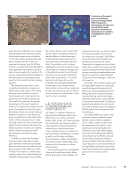
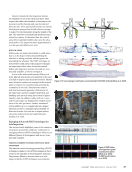
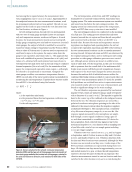
Sercel and AP Sensing are pleased to
announce the launch of a joint innovative
solution for comprehensive railway infra-
structure monitoring. The below ballast
scan (BBS) solution is the result of joint
technical work combining AP Sensing’s
unique distributed acoustic sensing (DAS)
technology and Sercel’s comprehensive
geophysical solution for near-surface
evaluation using DAS data. The joint solu-
tion provides insights to help customers
understand the roadbed and underlying
geology to better manage their geotech-
nical risks.
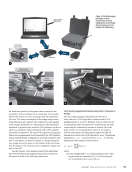
The BBS monitoring solution provides
critical data needed for safe railway oper-
ations and is an important complement
to existing shallow near-surface inspec-
tion techniques and rail monitoring. The
use of already-existing fiber optic infra-
structure, together with extremely long-
range evaluation capability, makes the
joint solution cost-effective and nonin-
trusive. Assessment of rail track subsur-
face using DAS does not interfere with
traffic and allows monitoring changes in
real time for more predictive planning
of maintenance operations, especially in
areas with complex geological conditions
or high geotechnical risks.
SERCEL
SERCEL.COM
DIGITAL INTERFACE
NODE
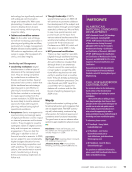
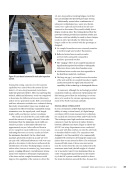
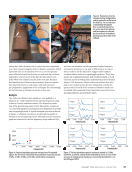
Wireless monitoring technology devel-
oper Senceive has revealed the latest in
its range of IoT infrastructure condition
monitoring devices. The Digital Interface
Node allows users to integrate a wide
range of geotechnical, structural, and
environmental sensors into a Senceive
wireless communications platform in order
to benefit from automated data logging
and instant alerts. The new device adds
to the company’s range of rail monitoring
instruments, which detect movement
and changes in the condition of track,
earthworks, and structures. Using wireless
communications, it will help to reduce site
visits and enable continuous data acqui-
sition from places that are hard to reach,
such as bridge joints, slopes, and tunnels.
The device is IP67 rated and built for use
in challenging site conditions.
SENCEIVE
SENCEIVE.COM
UT RAIL FASTENER
HOUSING SOLUTION
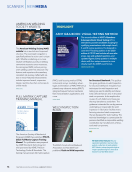
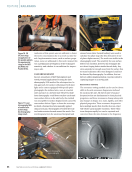
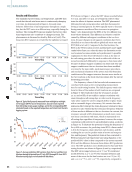
Rail fastener housings are vital within
railway lines as they ensure the rail is
strongly secured in place along a route.
MTC developed an ultrasonic inspection
capability to effectively inspect RT60
fastener housings for internal cracking,
which has been validated both in the
laboratory and in on-site trials on live
assets. A custom probe holder was
designed and 3D printed to enable
repeatable and ergonomic access to the
critical areas of the fasteners to facilitate
easy in situ inspection in challenging
rail-side conditions. This cheap and fast
inspection solution has been adopted
by Network Rail and will be introduced
into their routine inspection activities.
Inspection performance established
in laboratory testing was validated via
multiple on-site trials on live Network Rail
assets. The ultrasonic inspection process
is fast and does not require further
specialist training for Network Rail’s
nondestructive testing engineers.
MANUFACTURING TECHNOLOGY CENTRE
THE-MTC.ORG
CORROSION APP
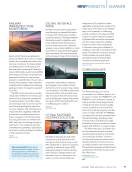
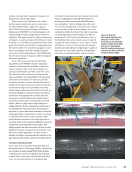
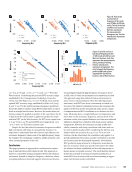
The Profometer app can now be
connected to two different sensors, and
its mission is simple. For PM8000 Pro and
PM8000: to scan reinforced concrete at
scale to provide a clear image of what
is inside the structure to assess quality
control, durability, and structural resis-
tance of concrete by mapping concrete
cover and rebar diameter. For PM8500:
to measure the corrosion potential using
half-cell technology, providing a clear
overview of the areas that have a high
probability of being corroded, for further
analysis and definition of a repair project.
The Profometer app is a software solu-
tion for inspection services, structural
and civil engineering firms, and contrac-
tors working on durability, corrosion,
and structural resistance assessment of
existing reinforced concrete structures,
or quality control for new constructions.
The seamless integrated workflows bring
productivity in the field and save count-
less office hours.
SCREENING EAGLE
SCREENINGEAGLE.COM
Show us your products! Newly released
equipment, instruments, software, and other
products designed for use in NDT work can
be submitted to press@asnt.org. Submissions
should include a writeup and high-res image.
NEWPRODUCTS
|
SCANNER
J A N U A R Y 2 0 2 4 • M A T E R I A L S E V A L U A T I O N 17
2401 ME January.indd 17 12/20/23 8:01 AM
INFRASTRUCTURE
MONITORING
Sercel and AP Sensing are pleased to
announce the launch of a joint innovative
solution for comprehensive railway infra-
structure monitoring. The below ballast
scan (BBS) solution is the result of joint
technical work combining AP Sensing’s
unique distributed acoustic sensing (DAS)
technology and Sercel’s comprehensive
geophysical solution for near-surface
evaluation using DAS data. The joint solu-
tion provides insights to help customers
understand the roadbed and underlying
geology to better manage their geotech-
nical risks.
The BBS monitoring solution provides
critical data needed for safe railway oper-
ations and is an important complement
to existing shallow near-surface inspec-
tion techniques and rail monitoring. The
use of already-existing fiber optic infra-
structure, together with extremely long-
range evaluation capability, makes the
joint solution cost-effective and nonin-
trusive. Assessment of rail track subsur-
face using DAS does not interfere with
traffic and allows monitoring changes in
real time for more predictive planning
of maintenance operations, especially in
areas with complex geological conditions
or high geotechnical risks.
SERCEL
SERCEL.COM
DIGITAL INTERFACE
NODE
Wireless monitoring technology devel-
oper Senceive has revealed the latest in
its range of IoT infrastructure condition
monitoring devices. The Digital Interface
Node allows users to integrate a wide
range of geotechnical, structural, and
environmental sensors into a Senceive
wireless communications platform in order
to benefit from automated data logging
and instant alerts. The new device adds
to the company’s range of rail monitoring
instruments, which detect movement
and changes in the condition of track,
earthworks, and structures. Using wireless
communications, it will help to reduce site
visits and enable continuous data acqui-
sition from places that are hard to reach,
such as bridge joints, slopes, and tunnels.
The device is IP67 rated and built for use
in challenging site conditions.
SENCEIVE
SENCEIVE.COM
UT RAIL FASTENER
HOUSING SOLUTION
Rail fastener housings are vital within
railway lines as they ensure the rail is
strongly secured in place along a route.
MTC developed an ultrasonic inspection
capability to effectively inspect RT60
fastener housings for internal cracking,
which has been validated both in the
laboratory and in on-site trials on live
assets. A custom probe holder was
designed and 3D printed to enable
repeatable and ergonomic access to the
critical areas of the fasteners to facilitate
easy in situ inspection in challenging
rail-side conditions. This cheap and fast
inspection solution has been adopted
by Network Rail and will be introduced
into their routine inspection activities.
Inspection performance established
in laboratory testing was validated via
multiple on-site trials on live Network Rail
assets. The ultrasonic inspection process
is fast and does not require further
specialist training for Network Rail’s
nondestructive testing engineers.
MANUFACTURING TECHNOLOGY CENTRE
THE-MTC.ORG
CORROSION APP
The Profometer app can now be
connected to two different sensors, and
its mission is simple. For PM8000 Pro and
PM8000: to scan reinforced concrete at
scale to provide a clear image of what
is inside the structure to assess quality
control, durability, and structural resis-
tance of concrete by mapping concrete
cover and rebar diameter. For PM8500:
to measure the corrosion potential using
half-cell technology, providing a clear
overview of the areas that have a high
probability of being corroded, for further
analysis and definition of a repair project.
The Profometer app is a software solu-
tion for inspection services, structural
and civil engineering firms, and contrac-
tors working on durability, corrosion,
and structural resistance assessment of
existing reinforced concrete structures,
or quality control for new constructions.
The seamless integrated workflows bring
productivity in the field and save count-
less office hours.
SCREENING EAGLE
SCREENINGEAGLE.COM
Show us your products! Newly released
equipment, instruments, software, and other
products designed for use in NDT work can
be submitted to press@asnt.org. Submissions
should include a writeup and high-res image.
NEWPRODUCTS
|
SCANNER
J A N U A R Y 2 0 2 4 • M A T E R I A L S E V A L U A T I O N 17
2401 ME January.indd 17 12/20/23 8:01 AM