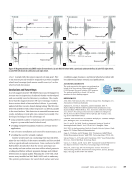
January 2024
Volume 82 • Number 1
JOURNAL STAFF
PUBLISHER: Neal J. Couture, CAE
DIRECTOR OF PUBLICATIONS/
EDITOR: Jill Ross
ASSOCIATE EDITOR: Cara Markland
PRODUCTION MANAGER: Joy Grimm
DIGITAL PUBLISHING MANAGER:
Synthia Jester
ASNT MEDIA &EVENT SALES
Holly Klarman, MCI Group
holly.klarman@wearemci.com
1-410-584-8576
Christina Kardon, MCI Group
christina.kardon@wearemci.com
1-410-584-8646
TECHNICAL EDITOR
John Z. Chen, KBR
ASSOCIATE TECHNICAL EDITORS
John C. Aldrin, Computational Tools
Sreenivas Alampalli, Stantec
Ali Abdul-Aziz, Kent State University
Narendra K. Batra, Naval
Research Laboratory (retired)
Yiming Deng, Michigan
State University
Dave Farson, Ohio State University
Jin-Yeon Kim, Georgia
Institute of Technology
Cara A.C. Leckey, NASA
Langley Research Center
Mani Mina, Iowa State University
Ehsan Dehghan-Niri,
Arizona State University
Yi-Cheng (Peter) Pan, Emerson Inc.
Anish Poudel, MxV Rail
Donald J. Roth, Roth
Technical Consulting LLC
Ram P. Samy, Consultant
Steven M. Shepard,
Thermal Wave Imaging
Ripi Singh, Inspiring Next
Surendra Singh, Honeywell
Roderic K. Stanley, NDE
Information Consultants
Zhiyong Wang, GE Vernova
Advanced Research
Lianxiang Yang, Oakland University
Reza Zoughi, Iowa State University
CONTRIBUTING EDITORS
Toni Bailey, TB3NDT Consulting
Bruce G. Crouse, Inspection Services
Huidong Gao, PEMEX Deer Park
Saptarshi Mukherjee, Lawrence
Livermore National Laboratory
Hossein Taheri, Georgia
Southern University
UPFRONT
|
SCANNER
NDE OF RAILROADS
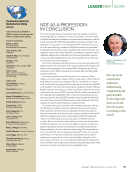
Welcome to Materials Evaluation’s Technical Focus Issue on nondestructive
evaluation (NDE) for railroads. It is an honor and privilege to serve as the
guest editor for this special issue. In the ever-evolving landscape of rail trans-
portation, where the health and reliability of railway systems are paramount,
NDE and characterization techniques emerge as indispensable tools for
monitoring and ensuring the integrity of this critical infrastructure worldwide.
Railroads play a crucial role in global transportation infrastructure, serving
as a backbone for the movement of goods and people. Rail operators across
the globe navigate through challenging conditions of loading, fatigue, and
evolving natural environmental factors and conditions. Monitoring railway
components in a timely and reliable manner is vital, as it empowers operators
and asset owners to understand, predict, and measure changes before they
escalate into critical issues.
Advanced NDE technologies enable the modern railroad network to meet
today’s transportation challenges. They allow railroads to inspect and monitor
their infrastructures, freight cars, and equipment with greater frequency, effi-
ciency, and reliability and contribute to a world-class transportation system that
moves the economy forward. Advanced NDE tools empower railroads and
their employees to make better decisions, giving them an inside view of the rail
network’s infrastructure, well beyond what can be seen by the human eye, to
reach their ultimate goal—an accident-free future.
This special issue brings together a diverse range of contributions from
experts in the field, providing a comprehensive exploration of the challenges,
advancements, and best practices in the NDE of railroads that leverage estab-
lished and cutting-edge NDE methods to advance the inspection state of
the railway sector globally. The marriage of sensor technologies, increased
computing power, and the integration of artificial intelligence (AI) and machine
learning (ML) algorithms opens new frontiers in revolutionizing NDE prac-
tices and holds immense promise in enhancing the precision and efficiency
of inspection processes. These advancements promise to usher in intelligent
maintenance practices and operations, providing a paradigm shift in how we
approach the monitoring and upkeep of railway systems.
Within these pages, you will explore various NDE modalities applied to
different railroad applications. Our contributors cover various topics, including
improving rail flaw detection/imaging approaches, the need for axle defect
detection, preventing track buckling, and innovative NDE technologies
for predicting rail neutral temperature (RNT). Of particular note is in situ
RNT prediction, which has become increasingly critical in the face of drastic
changes in climate and temperature worldwide. The RNT is the tempera-
ture at which the rail is neither in compression nor tension, and it is a crucial
parameter for ensuring the stability and safety of railway tracks. Integrating
advanced technologies and proactive maintenance strategies is crucial for
addressing RNT challenges and ensuring the continued resilience of railway
infrastructure.
I am grateful to the authors whose dedication and expertise have enriched
this special issue. The compilation of research and insights herein will serve as
a valuable resource for professionals, researchers, and practitioners involved in
the dynamic realm of railway NDE. Thank you for your interest and support.
ANISH POUDEL, PHD, FASNT
FOCUS ISSUE EDITOR
ANISH_POUDEL@AAR.COM
The marriage
of sensor
technologies,
increased
computing power,
and the integration
of artificial
intelligence
and machine
learning opens
new frontiers in
revolutionizing NDE
practices.
J A N U A R Y 2 0 2 4 • M A T E R I A L S E V A L U A T I O N 7
2401 ME January.indd 7 12/20/23 8:01 AM
Volume 82 • Number 1
JOURNAL STAFF
PUBLISHER: Neal J. Couture, CAE
DIRECTOR OF PUBLICATIONS/
EDITOR: Jill Ross
ASSOCIATE EDITOR: Cara Markland
PRODUCTION MANAGER: Joy Grimm
DIGITAL PUBLISHING MANAGER:
Synthia Jester
ASNT MEDIA &EVENT SALES
Holly Klarman, MCI Group
holly.klarman@wearemci.com
1-410-584-8576
Christina Kardon, MCI Group
christina.kardon@wearemci.com
1-410-584-8646
TECHNICAL EDITOR
John Z. Chen, KBR
ASSOCIATE TECHNICAL EDITORS
John C. Aldrin, Computational Tools
Sreenivas Alampalli, Stantec
Ali Abdul-Aziz, Kent State University
Narendra K. Batra, Naval
Research Laboratory (retired)
Yiming Deng, Michigan
State University
Dave Farson, Ohio State University
Jin-Yeon Kim, Georgia
Institute of Technology
Cara A.C. Leckey, NASA
Langley Research Center
Mani Mina, Iowa State University
Ehsan Dehghan-Niri,
Arizona State University
Yi-Cheng (Peter) Pan, Emerson Inc.
Anish Poudel, MxV Rail
Donald J. Roth, Roth
Technical Consulting LLC
Ram P. Samy, Consultant
Steven M. Shepard,
Thermal Wave Imaging
Ripi Singh, Inspiring Next
Surendra Singh, Honeywell
Roderic K. Stanley, NDE
Information Consultants
Zhiyong Wang, GE Vernova
Advanced Research
Lianxiang Yang, Oakland University
Reza Zoughi, Iowa State University
CONTRIBUTING EDITORS
Toni Bailey, TB3NDT Consulting
Bruce G. Crouse, Inspection Services
Huidong Gao, PEMEX Deer Park
Saptarshi Mukherjee, Lawrence
Livermore National Laboratory
Hossein Taheri, Georgia
Southern University
UPFRONT
|
SCANNER
NDE OF RAILROADS
Welcome to Materials Evaluation’s Technical Focus Issue on nondestructive
evaluation (NDE) for railroads. It is an honor and privilege to serve as the
guest editor for this special issue. In the ever-evolving landscape of rail trans-
portation, where the health and reliability of railway systems are paramount,
NDE and characterization techniques emerge as indispensable tools for
monitoring and ensuring the integrity of this critical infrastructure worldwide.
Railroads play a crucial role in global transportation infrastructure, serving
as a backbone for the movement of goods and people. Rail operators across
the globe navigate through challenging conditions of loading, fatigue, and
evolving natural environmental factors and conditions. Monitoring railway
components in a timely and reliable manner is vital, as it empowers operators
and asset owners to understand, predict, and measure changes before they
escalate into critical issues.
Advanced NDE technologies enable the modern railroad network to meet
today’s transportation challenges. They allow railroads to inspect and monitor
their infrastructures, freight cars, and equipment with greater frequency, effi-
ciency, and reliability and contribute to a world-class transportation system that
moves the economy forward. Advanced NDE tools empower railroads and
their employees to make better decisions, giving them an inside view of the rail
network’s infrastructure, well beyond what can be seen by the human eye, to
reach their ultimate goal—an accident-free future.
This special issue brings together a diverse range of contributions from
experts in the field, providing a comprehensive exploration of the challenges,
advancements, and best practices in the NDE of railroads that leverage estab-
lished and cutting-edge NDE methods to advance the inspection state of
the railway sector globally. The marriage of sensor technologies, increased
computing power, and the integration of artificial intelligence (AI) and machine
learning (ML) algorithms opens new frontiers in revolutionizing NDE prac-
tices and holds immense promise in enhancing the precision and efficiency
of inspection processes. These advancements promise to usher in intelligent
maintenance practices and operations, providing a paradigm shift in how we
approach the monitoring and upkeep of railway systems.
Within these pages, you will explore various NDE modalities applied to
different railroad applications. Our contributors cover various topics, including
improving rail flaw detection/imaging approaches, the need for axle defect
detection, preventing track buckling, and innovative NDE technologies
for predicting rail neutral temperature (RNT). Of particular note is in situ
RNT prediction, which has become increasingly critical in the face of drastic
changes in climate and temperature worldwide. The RNT is the tempera-
ture at which the rail is neither in compression nor tension, and it is a crucial
parameter for ensuring the stability and safety of railway tracks. Integrating
advanced technologies and proactive maintenance strategies is crucial for
addressing RNT challenges and ensuring the continued resilience of railway
infrastructure.
I am grateful to the authors whose dedication and expertise have enriched
this special issue. The compilation of research and insights herein will serve as
a valuable resource for professionals, researchers, and practitioners involved in
the dynamic realm of railway NDE. Thank you for your interest and support.
ANISH POUDEL, PHD, FASNT
FOCUS ISSUE EDITOR
ANISH_POUDEL@AAR.COM
The marriage
of sensor
technologies,
increased
computing power,
and the integration
of artificial
intelligence
and machine
learning opens
new frontiers in
revolutionizing NDE
practices.
J A N U A R Y 2 0 2 4 • M A T E R I A L S E V A L U A T I O N 7
2401 ME January.indd 7 12/20/23 8:01 AM