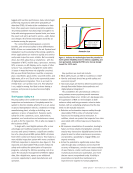
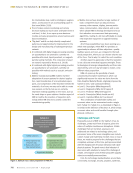
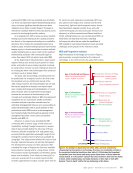
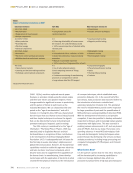
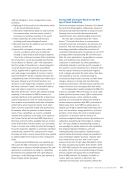
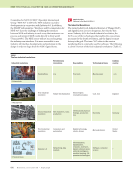
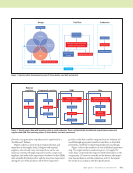
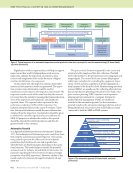
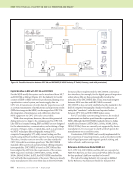
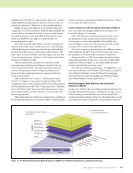
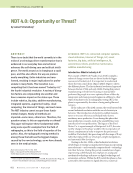
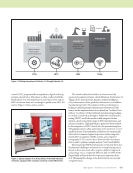
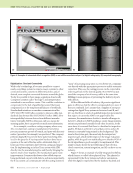
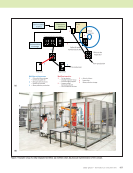
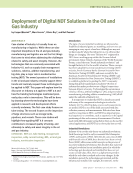
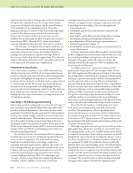
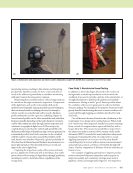
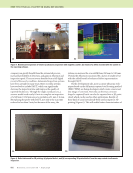
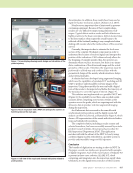
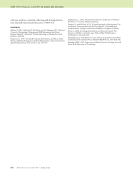
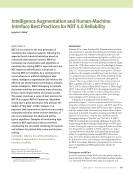
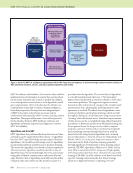
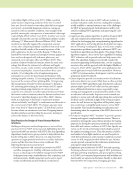
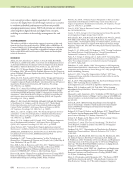
J U L Y 2 0 2 0 • M A T E R I A L S E V A L U A T I O N 853 control (NC) programmable manipulators, digital archiving systems, and robotics. This phase is often confused with the fourth phase. It is very important to note that a robot and an ERP connection alone are not enough to qualify as an NDT 4.0 system. Figure 2 shows such a system. The fourth industrial revolution is characterized by connected computer systems, cloud utilization, the Internet of Things (IoT), smart factories, big data, artificial intelligence (AI), autonomous robots, predictive maintenance, and additive manufacturing (AM). The adoption of these technologies is leading to substantial improvements in productivity and effi- ciency. As this implementation is not merely an “evolution” but rather a “revolution” of the traditional manufacturing paradigm, it is widely considered as disruptive. Within the nondestructive testing (NDT) world, this results in fully integrated in-line systems, cloud connectivity, usage of AI for interpretation, and advanced analytics. High performance gains have been realized by the integration of NDT directly into the manufacturing line. Self-adapting systems allow automation to be used even on very small batch sizes. Discontinuities and defects are automatically detected and compared against inspection criteria using auto- mated defect recognition (ADR) systems, and computed tomography (CT) is used to three-dimensionally reconstruct objects and to perform complex analysis (VisiConsult 2020a). This means that NDT professionals on the shop floor face fundamental challenges and may have a steep learning curve ahead, as these new tools often require a different approach and perhaps even a completely different skill set (IFR 2018). Digital skills and know-how become more important than ever. Managing this change is the key for future success and competitiveness. Figure 2. Typical example of an X-ray cabinet of the third industrial revolution, equipped with computer numerical control (CNC) drives. Industry 1.0 Mechanization, steam power, and weaving loom Industry 2.0 Mass production, assembly line, and electrical energy Industry 3.0 Automation, computers, and electronics Industry 4.0 Cyber-physical systems, Internet of Things (IoT), and networks Today 1969 1870 1784 Figure 1. Defining innovations of Industry 1.0 through Industry 4.0.

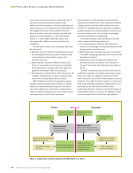
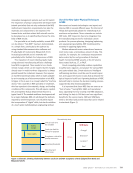
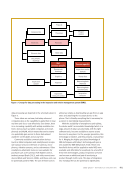
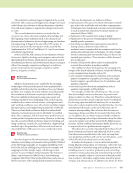
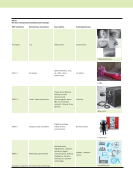
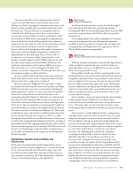
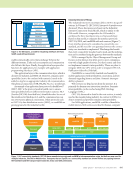
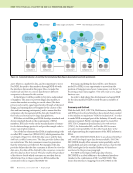
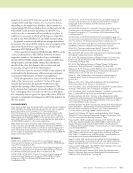
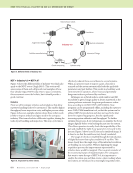
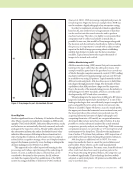
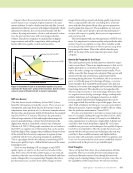
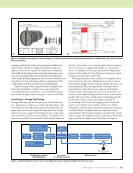
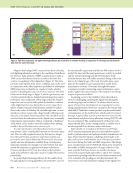
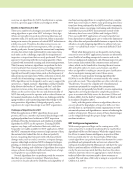
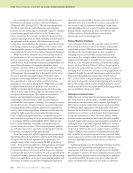
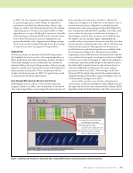
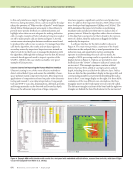
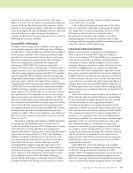
854 M A T E R I A L S E V A L U A T I O N • J U L Y 2 0 2 0 NDT + Industry 4.0 = NDT 4.0? Figure 3 shows the different fields of Industry 4.0, which also apply to the NDT sector (Singh 2019). This section will assess some of them and will provide real examples of how they already impact NDT today. Due to space constraints, this assessment cannot be holistic, but it should provide a good overview. Robotics First, we will investigate robotics and simulations that allow repetitive handling tasks to be automated. This enables higher throughput, lower inspection costs, and higher process safety. Figure 4 shows an example solution where three robots work jointly to inspect airducts and pipes used in the aerospace industry. This team of robots collaborate together, sharing the tasks of part handling and inspection. This way, cycle time is effectively reduced from several hours to several minutes. When an operator wants to inspect a part, a barcode is scanned and the system automatically loads the applicable parameters and part holders. This results in a healthier work environment for operators, where heavy and potentially dangerous tasks are performed by machines. All images are archived under a serial number and full traceability is given. Image quality is always supervised as the system performs automatic long-term performance evalua- tions according to ASTM E2737 (ASTM 2018). New programs can be programmed offline, including the option to use a CAD/CAM simulation tool, so that the system can be utilized 100% for production and does not need to be shut down for engineering purposes, thereby significantly increasing system utilization and throughput. To further optimize the process, X-ray technicians can simulate the X-ray images digitally before even loading the part into the system. This allows operators to easily check the inspectability of the part and establish the right X-ray parameters very early in the process. Figure 5 shows a real X-ray and a simulated image. It is clear to see that the results are very closely correlated. The usage of robotics is enabled through the introduction of digital detectors that replace traditional X-ray film. This shows clearly how the single steps of the industrial revolution are building on one another. Without digitizing the image acquisition process, the improvements represented by robotics alone would be marginal. This is a great reminder of the incremental nature of implementation. For companies that want to enter the age of NDT 4.0, it is important to analyze the status quo and then create a clear roadmap where innovations are introduced in a meaningful sequential order. ME TECHNICAL PAPER w ndt 4.0: opportunity or threat? Industry 4.0 System integration Internet of Things Cybersecurity Cloud computing Additive manufacturing Big data Autonomous robots Simulation Augmented reality Figure 3. Different fields of Industry 4.0. Figure 4. Inspection by inline robots.
ASNT grants non-exclusive, non-transferable license of this material to  .
All rights reserved. © ASNT 2026. To report unauthorized use, contact: customersupport@asnt.org