representations rather than chemical
structures and incorporated it into a
generative AI model.
“It’s a physics-savvy generative AI
that understands what spectra are,”
Tadesse said. “And the key novelty is,
we interpreted spectra not as how it
comes about from chemicals and bonds,
but that it is actually math—curves and
graphs, which an AI tool can understand
and interpret.”
The team demonstrated SpectroGen
using a public dataset of more than 6000
mineral samples, many with spectral
data in multiple modalities. They trained
the model on several hundred samples
to learn correlations across modali-
ties. When given spectra from a new
mineral, SpectroGen generated spectra
in another modality that closely matched
the real, instrument-collected data.
Across tests, accuracy reached 99%.
The researchers say SpectroGen can
be applied to minerals used in semicon-
ductors, batteries, and other manufac-
turing contexts. A factory, for example,
could scan materials with an infrared laser
and use SpectroGen to generate X-ray
spectra for rapid quality assessment.
“I think of it as having an agent or
co-pilot, supporting researchers, techni-
cians, pipelines, and industry,” Tadesse said.
The team is exploring applications
in disease diagnostics and agricul-
tural monitoring through an upcoming
project funded by Google. Tadesse is
also advancing the technology through
a new startup and envisions SpectroGen
supporting sectors from pharmaceuticals
to semiconductors to defense.
INFRARED
THERMOGRAPHY
OFFERS NEW PATH
FOR DETECTING
SUBCLINICAL MASTITIS
IN DAIRY COWS
Mastitis poses a significant economic
challenge to the global dairy industry,
causing approximately US$35 billion in
annual losses. Among its forms, subclin-
ical mastitis (SM) is often overlooked due
to the absence of obvious symptoms, yet
it can lead to reduced milk production,
increased treatment costs, and compro-
mised dairy cow welfare. Traditional
detection methods such as the California
mastitis test (CMT) are reliable but rely
on manual operation, making large-scale
early screening difficult. This raises a key
question: How can noninvasive tech-
nology be used to accurately identify
subclinical mastitis while accounting for
the impact of environmental factors on
detection results?
Dr. Weerasinghe Pathirage Chamila
Gayani Weerasinghe and colleagues
from the University of Peradeniya in
Sri Lanka have proposed a new approach
by determining regional temperature
thresholds using infrared thermography
(IRT), offering a novel solution for effi-
cient detection. The related research
was published in Frontiers of Agricultural
Science and Engineering in December.
The research team selected 658
small and medium-scale dairy farms
across four typical agricultural regions
in Sri Lanka—Up Country (UP), Mid
Country (MC), Coconut Triangle (CT), and
Western Province (WP)—and conducted
IRT examinations on 4274 udder quarters
of 1074 lactating cows. Results showed
that the udder skin surface tempera-
ture (USST) of SM-positive quarters was
significantly higher than that of healthy
quarters, with temperature differences
varying by region: 2.49 °C in UP, 2.17 °C
in MC, 1.90 °C in WP, and 1.86 °C in CT.
This demonstrates that IRT can screen
for SM by measuring the temperature
difference between the udder surface
and flank skin a temperature difference
exceeding the regional threshold indi-
cates a suspected infection.
Environmental temperature and the
temperature-humidity index (THI) had a
significant influence on these thresholds.
SCANNER
|
INDUSTRYNEWS
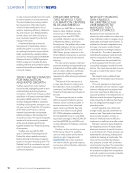
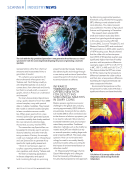
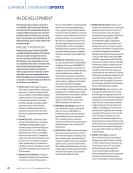
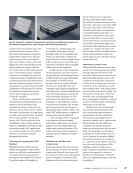
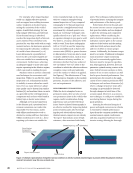
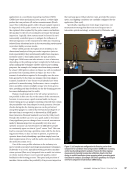
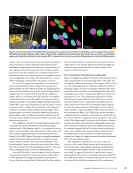
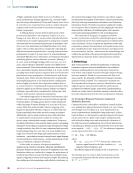
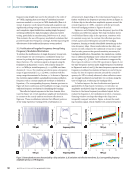
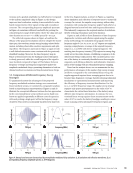
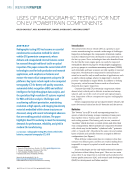
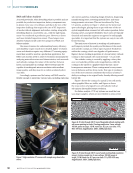
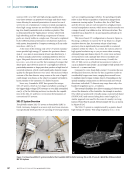
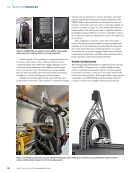
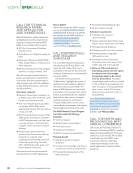
The circle with the chip symbolizes SpectroGen—a new generative AI tool that acts as a virtual
spectrometer—with the connecting threads depicting the process of generating a material’s
spectrum.
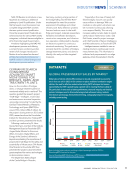
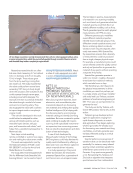
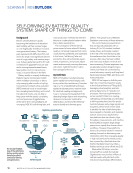
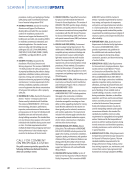
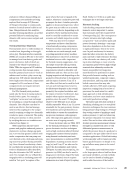
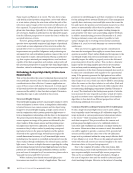
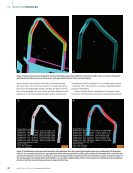
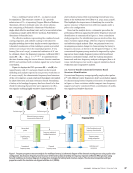
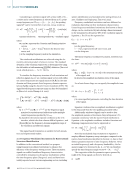
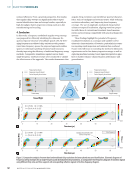
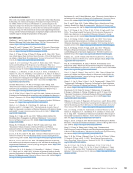
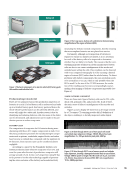
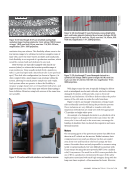
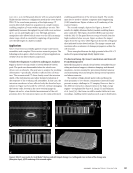
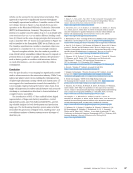
Calculations of (a) average udder surface
temperature, and (b) average flank skin
temperature.
12
M AT E R I A L S E V A L U AT I O N • J A N U A R Y 2 0 2 6
COURTESY
OF
THE
RESEARCHERS
CREDIT:
FRONTIERS
OF
AGRICULTURAL
SCIENCE
AND
ENGINEERING
structures and incorporated it into a
generative AI model.
“It’s a physics-savvy generative AI
that understands what spectra are,”
Tadesse said. “And the key novelty is,
we interpreted spectra not as how it
comes about from chemicals and bonds,
but that it is actually math—curves and
graphs, which an AI tool can understand
and interpret.”
The team demonstrated SpectroGen
using a public dataset of more than 6000
mineral samples, many with spectral
data in multiple modalities. They trained
the model on several hundred samples
to learn correlations across modali-
ties. When given spectra from a new
mineral, SpectroGen generated spectra
in another modality that closely matched
the real, instrument-collected data.
Across tests, accuracy reached 99%.
The researchers say SpectroGen can
be applied to minerals used in semicon-
ductors, batteries, and other manufac-
turing contexts. A factory, for example,
could scan materials with an infrared laser
and use SpectroGen to generate X-ray
spectra for rapid quality assessment.
“I think of it as having an agent or
co-pilot, supporting researchers, techni-
cians, pipelines, and industry,” Tadesse said.
The team is exploring applications
in disease diagnostics and agricul-
tural monitoring through an upcoming
project funded by Google. Tadesse is
also advancing the technology through
a new startup and envisions SpectroGen
supporting sectors from pharmaceuticals
to semiconductors to defense.
INFRARED
THERMOGRAPHY
OFFERS NEW PATH
FOR DETECTING
SUBCLINICAL MASTITIS
IN DAIRY COWS
Mastitis poses a significant economic
challenge to the global dairy industry,
causing approximately US$35 billion in
annual losses. Among its forms, subclin-
ical mastitis (SM) is often overlooked due
to the absence of obvious symptoms, yet
it can lead to reduced milk production,
increased treatment costs, and compro-
mised dairy cow welfare. Traditional
detection methods such as the California
mastitis test (CMT) are reliable but rely
on manual operation, making large-scale
early screening difficult. This raises a key
question: How can noninvasive tech-
nology be used to accurately identify
subclinical mastitis while accounting for
the impact of environmental factors on
detection results?
Dr. Weerasinghe Pathirage Chamila
Gayani Weerasinghe and colleagues
from the University of Peradeniya in
Sri Lanka have proposed a new approach
by determining regional temperature
thresholds using infrared thermography
(IRT), offering a novel solution for effi-
cient detection. The related research
was published in Frontiers of Agricultural
Science and Engineering in December.
The research team selected 658
small and medium-scale dairy farms
across four typical agricultural regions
in Sri Lanka—Up Country (UP), Mid
Country (MC), Coconut Triangle (CT), and
Western Province (WP)—and conducted
IRT examinations on 4274 udder quarters
of 1074 lactating cows. Results showed
that the udder skin surface tempera-
ture (USST) of SM-positive quarters was
significantly higher than that of healthy
quarters, with temperature differences
varying by region: 2.49 °C in UP, 2.17 °C
in MC, 1.90 °C in WP, and 1.86 °C in CT.
This demonstrates that IRT can screen
for SM by measuring the temperature
difference between the udder surface
and flank skin a temperature difference
exceeding the regional threshold indi-
cates a suspected infection.
Environmental temperature and the
temperature-humidity index (THI) had a
significant influence on these thresholds.
SCANNER
|
INDUSTRYNEWS
The circle with the chip symbolizes SpectroGen—a new generative AI tool that acts as a virtual
spectrometer—with the connecting threads depicting the process of generating a material’s
spectrum.
Calculations of (a) average udder surface
temperature, and (b) average flank skin
temperature.
12
M AT E R I A L S E V A L U AT I O N • J A N U A R Y 2 0 2 6
COURTESY
OF
THE
RESEARCHERS
CREDIT:
FRONTIERS
OF
AGRICULTURAL
SCIENCE
AND
ENGINEERING